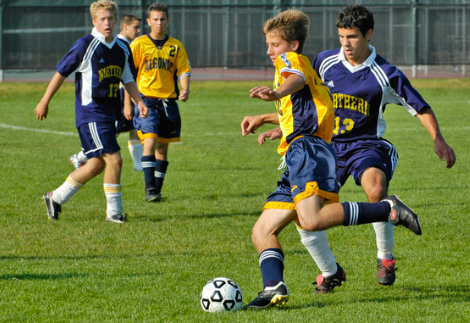
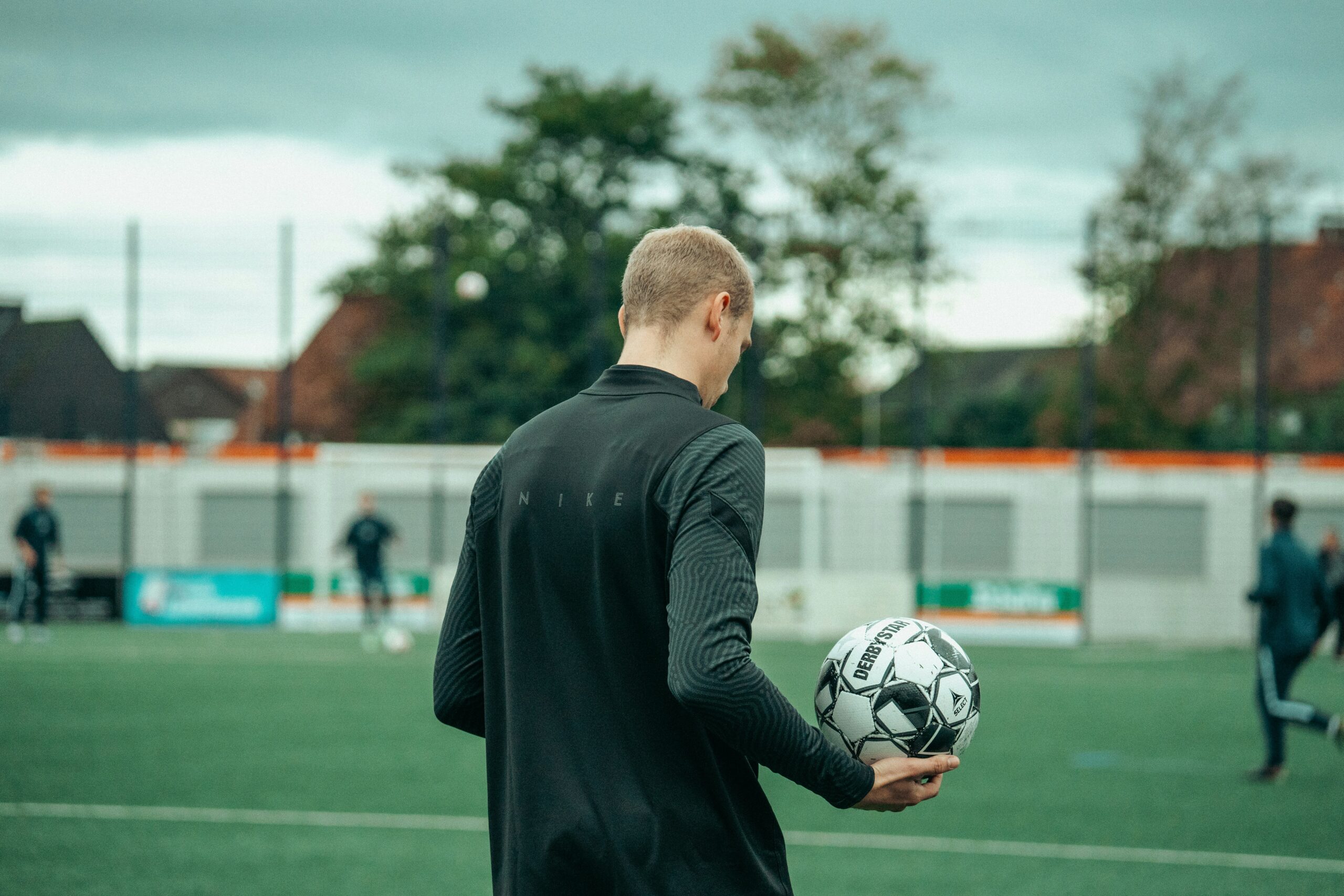
In the world of football, creativity is a key ingredient for success. Young players are often brimming with innovative ideas and bold moves. However, navigating the balance between allowing this creativity to flourish while instilling discipline is crucial for developing well-rounded football players. In this article, we will explore effective strategies for coaches and parents to nurture creativity in young players and provide guidance to ensure they remain disciplined on and off the field.
The Importance of Creativity in Football
Creativity on the football field can lead to game-changing moments. Innovative thinking allows players to tackle defenses, create scoring opportunities, and break free from traditional play patterns. For young athletes, fostering creativity not only enhances their skills but also boosts their confidence, making the game more enjoyable.
Why Creative Players Excel
- Unique Skill Sets: Creative players often possess a diverse range of skills that differentiate them from their peers, making them invaluable to their teams.
- Dynamic Playmaking: These players can read situations and make instinctive decisions that can lead to unexpected results, keeping opponents guessing.
- Increased Engagement: When players are encouraged to express themselves, they are more likely to remain engaged and motivated in training and matches.
The Role of Discipline in Young Athletes
While creativity is essential, it must be balanced with discipline to ensure that young players understand the game’s fundamentals and maintain a level of structure. Discipline encompasses not only following tactical instructions but also cultivating good sportsmanship, teamwork, and respect for opponents.
Key Aspects of Discipline
- Adhering to Team Tactics: Understanding the coach’s strategy and playing within that framework helps the team perform effectively.
- Respecting Authority: Players should learn to respect coaches, referees, and teammates, fostering a positive team environment.
- Commitment To Improvement: Disciplinary training encourages consistent practice and the pursuit of personal development, both in skills and fitness levels.
Strategies for Balancing Creativity and Discipline
1. Create a Supportive Environment
Encourage young players to experiment during practice sessions. Allow them to try new techniques, play freely, and express themselves without the fear of making mistakes. Praise their innovative efforts, even if they don’t always result in success.
2. Set Clear Expectations
While fostering creativity, it’s essential to set clear rules and guidelines around discipline. Let players understand the importance of listening to coaching instructions, maintaining focus during drills, and respecting game rules.
3. Encourage Team Collaboration
Promote creativity that benefits the team. Encourage players to work together during exercises that require problem-solving, allowing them to brainstorm creative plays. This instills a sense of teamwork and helps them appreciate how creativity can enhance collective success.
4. Provide Constructive Feedback
Feedback is vital for growth. Recognise moments of creativity during games and practices, but also provide guidance when players venture outside the tactical framework. Use positive reinforcement to help them understand the balance between creativity and structure.
5. Develop a Growth Mindset
Instil a growth mindset in young players, emphasising that mistakes are part of the learning process. When players feel safe to fail, they are more likely to take risks and express themselves creatively while understanding the discipline needed to improve.
Balancing creativity and discipline in young football players is a vital component of their development. As coaches and parents, embracing both aspects allows young athletes to thrive, develop unique skill sets, and contribute to the game meaningfully. By fostering an environment that encourages creativity while providing necessary guidance, we can develop not only talented players but also respectful, disciplined individuals on and off the field.