Turning is a fundamental skill in football that can make the difference between maintaining possession and losing the ball to a defender. Understanding when and how to turn is crucial for any player looking to enhance their game. In this article, we will explore the nuances of turning, key tips for players, and essential techniques that can be used on the pitch.
Understanding the Importance of Turning
The Difference Between Turning in Tight Spaces and Open Areas
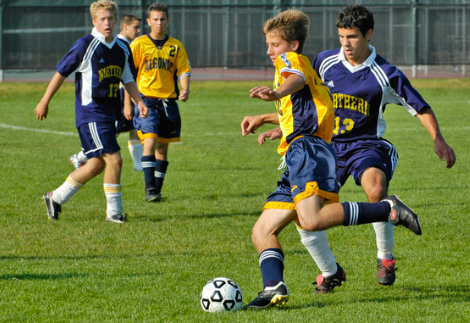
Turning when closely marked by a defender is vastly different from turning when there is ample space. Players must develop the ability to assess their surroundings and make quick decisions. Knowing when to turn can help maintain possession and create goal-scoring opportunities.
Tactical Decision-Making
Deciding how many touches to take when turning is a critical tactical choice. Players must learn to gauge the defender’s position, the speed of the ball, and the available space. This decision-making process can significantly influence the outcome of a play.
Tips for Players to Improve Their Turning Ability
Before executing a turn, players should consider the following tips:
- Visual Awareness: Ensure you can see the ball’s path, the defenders’ positions, and the movements of your teammates.
- Positioning: Move to find the best position to execute your turn effectively.
- Spatial Awareness: Be aware of the space you want to exploit upon turning.
- Delay Decision-Making: Try to wait until the last minute before deciding which turn to use for maximum effectiveness.
- Ball and Defender Awareness: Check the speed of the ball as well as the position of the defender before making your move.
Essential Turning Techniques
Mastering various turning techniques will allow players to navigate tight spaces and evade defenders effectively. Here are some key techniques to practice:
1. One-Touch Turn
Receiving the ball and turning in one fluid motion is the hallmark of a proficient player. This technique requires precision and timing.
2. No-Touch Turn
This advanced technique involves turning without touching the ball, relying instead on body movement to mislead defenders.
3. Stop Turn
Place one foot on top of the ball to stop it, then pivot to go in the opposite direction. This is an effective way to change direction when closely marked.
4. Inside Hook
Reach around the ball with the inside of your foot to change direction quickly. This technique is useful for quick turns in tight spaces.
5. Outside Hook
Similar to the inside hook but executed with the outside of your foot, this move can help throw defenders off balance.
6. Drag Back
Placing one foot on top of the ball, players can drag it back to change direction rapidly. This move is essential for evading tackles.
7. Stepover
Step around the ball with one foot, then use either foot to make contact with the ball. This technique can deceive defenders and create space.
8. Cruyff Turn
Pretend to pass while reaching around the ball’s furthest edge with the inside of your foot, then pass the ball through your legs. This classic move is highly effective and showcases creativity.
Note….
Mastering the art of turning in football is critical for any player seeking to excel on the pitch. By understanding the concepts of turning in different situations, practicing the techniques outlined above, and implementing the tips provided, players can significantly improve their gameplay. Regular practice and situational awareness will help refine these skills, making turning a powerful tool in your football arsenal. Embrace these strategies, and watch your performance elevate as a result!
By focusing on these foundational skills and techniques, players will not only improve their turning ability but also enhance their overall game intelligence, bringing them one step closer to becoming a formidable presence on the field.
Turning in football is an essential skill that can significantly impact a player’s effectiveness during a match. The differences between turning in tight spaces and open areas can be summarised as follows:
Turning in Tight Spaces
- Limited Space: In tight areas, players have less room to maneuver, making it critical to execute turns quickly and efficiently.
- Pressure from Defenders: Usually, players are closely marked by defenders, requiring precise and deceptive movements to evade tackles.
- Quick Decision-Making: Players must make rapid judgments on which type of turn to use based on their immediate surroundings and the position of defenders.
- Focus on Technique: Techniques such as the stop turn, drag back, and inside/outside hooks are particularly useful in these situations, as they allow for quick changes of direction.
- Body Orientation: Players often need to use their body to shield the ball or create space by positioning themselves strategically to protect the ball from defenders.
- Improvised Movements: Quick, improvisational moves are often necessary, as players may have to adapt on the fly when defenders close in.
Turning in Open Areas
- More Freedom to Move: There is generally more space available, allowing players to perform wider turns and maintain speed.
- Less Immediate Pressure: Defenders may be farther away, giving players more time to make decisions and execute turns without the fear of immediate pressure.
- Variety of Techniques: Players can use a broader range of turning techniques, including more elaborate moves like step-overs or Cruyff turns, which may require more space and time.
- Strategic Planning: Players can take a moment to assess the field, including the movements of teammates, creating opportunities to advance play.
- Transition to Speed: After executing a turn in open space, players can quickly transition to sprinting to exploit gaps in the defense.
- Fewer Improvisations: With the luxury of space, players can plan their next moves rather than relying solely on instinct and quick thinking.
Key Takeaways
- Precision vs. Freedom: Tight spaces demand precision and quick reflexes, while open areas allow for broader movements and speed.
- Decision-Making: In tight spaces, decisions must be immediate and tactical, whereas open spaces permit more time for assessment and strategic planning.
- Technique Application: Techniques suited for tight spaces focus on quick direction changes and ball protection, while open spaces allow for a wider variety of moves and faster progression.
Understanding these differences helps players adapt their skills and tactics accordingly, ensuring they can effectively navigate different on-field situations.
© 2025 Pro Touch Football. All Rights Reserved.
All content on this website, including articles, text, images, graphics, logos, and other material, is the intellectual property of Pro Touch Football unless otherwise stated.