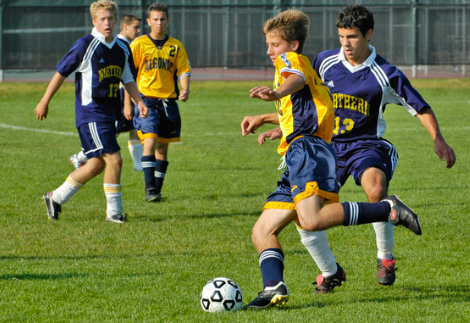
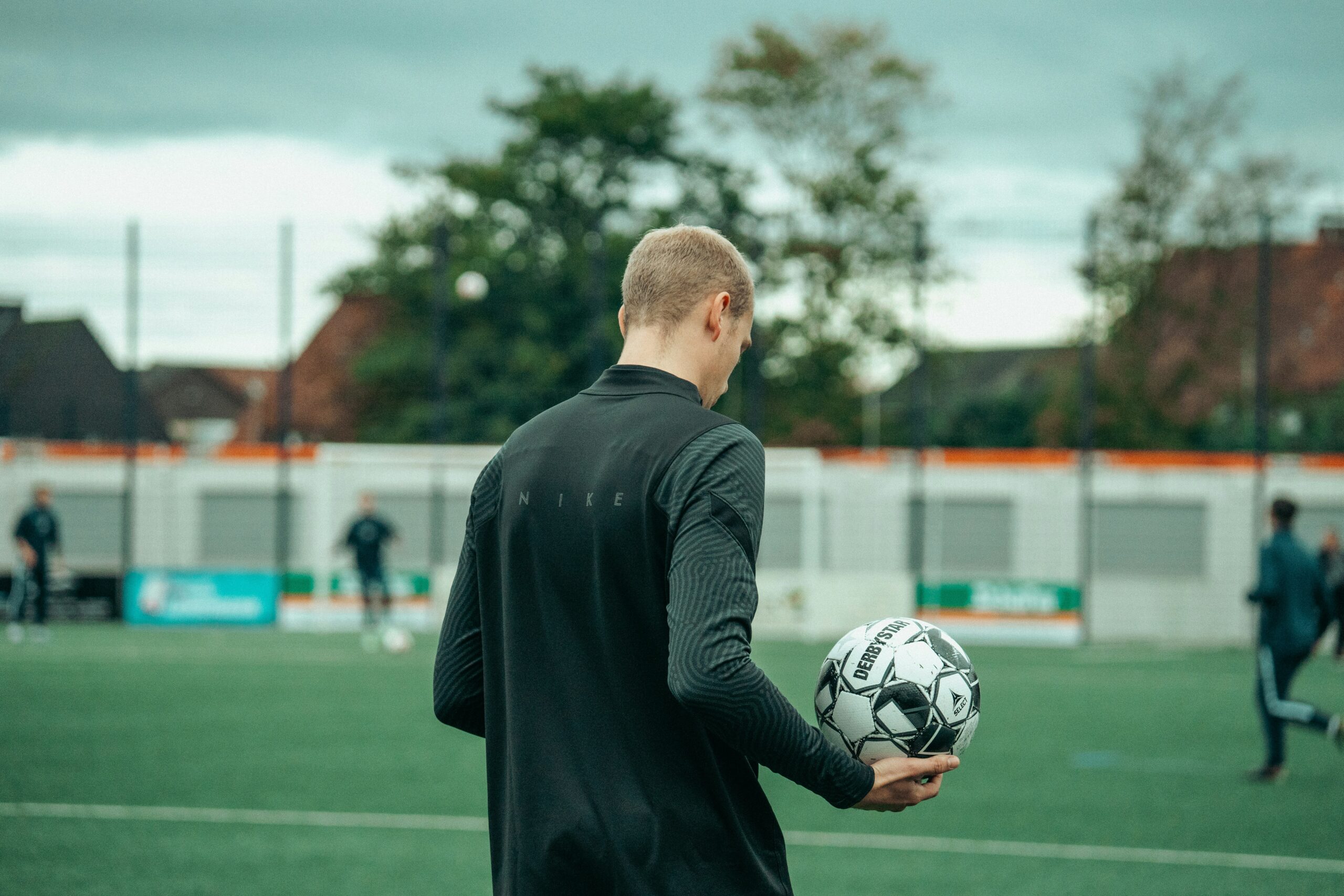
Running with the ball is one of football’s most exhilarating skills—both for players executing it and spectators watching. Whether you’re a parent researching football coaching or a player looking to elevate your game, understanding how to develop this fundamental technique can transform performance on the pitch.
This comprehensive guide explores why running with the ball matters, how to develop it effectively, and what to look for in quality one to one coaching programmes that accelerate your football development.
Why Running with the Ball Changes Games
Running with the ball—travelling through space at speed whilst maintaining control—represents far more than flashy skill work. It’s a tactically vital ability that creates attacking opportunities and disrupts defensive organisation.
The Strategic Advantages
When players carry the ball effectively, several tactical benefits emerge:
- Gaining territory quickly: Advancing into opponent areas puts immediate pressure on defences and creates scoring opportunities
- Exploiting disorganised defences: A well-timed run forces defenders out of position, opening gaps for teammates
- Changing the attack dynamic: Ball carriers make defenders commit, creating space elsewhere and altering the game’s rhythm
These advantages apply across all levels—from youth football through to elite competition. The skill remains consistently valuable regardless of tactical systems or playing styles.
The Technical Elements: Speed, Control, and Decision-Making
Effective ball carrying isn’t about following a rigid technique. Instead, players must develop adaptable skills that respond to constantly changing match situations.
Balancing Speed with Control
The best ball carriers combine pace with mastery. This balance requires understanding when to adjust your approach:
When space opens up, larger touches allow maximum speed. The ball travels further with each contact, enabling players to exploit available room quickly and force defenders backward.
In congested areas, smaller, more frequent touches provide better control. Players can change direction rapidly, maintain possession under pressure, and keep options open.
The challenge lies in recognising which approach suits each moment. Touches that are too large risk losing possession or missing passing opportunities. Touches that are too small prevent players from capitalising on available space. Quality football development programmes help players develop this judgment through game-realistic scenarios.
Reading the Game
Technical ability alone doesn’t create effective ball carriers. Players must constantly process information:
- Where is the available space?
- How are defenders positioned and moving?
- What options do teammates provide?
- When should I accelerate or slow down?
These cognitive skills develop through experience and guidance. Searching for football coaching near me that emphasises decision-making alongside technique ensures more complete player development.
Position-Specific Applications
Every position benefits from strong ball-carrying ability, though the application varies:
Defenders
Centre-backs stepping into midfield with the ball can bypass opponent pressing and initiate attacks. Full-backs driving down wings into crossing positions create overloads and deliver dangerous balls. Modern defending demands comfort on the ball, making this skill increasingly important.
Midfielders
The engine room requires players who transport the ball efficiently through congested areas. Breaking presses, linking defence to attack, and creating numerical advantages all depend on confident ball carrying through tight spaces.
Forwards
Counter-attacking situations and direct runs at goal require explosive acceleration whilst maintaining control. Forwards who carry the ball effectively stretch defences, create shooting opportunities, and draw fouls in dangerous areas.
Understanding position-specific requirements helps when seeking specialised one to one coaching that addresses your particular development needs.
How to Develop Ball-Carrying Skills
Creating competent ball carriers requires more than repetitive drills. The most effective football development approaches combine structured practice with game-realistic learning environments.
Creating the Right Learning Environment
Players develop best when they feel safe taking calculated risks. The coaching culture matters enormously:
Mistake tolerance is essential. Players who fear errors become hesitant, limiting their development. Understanding that mistakes provide learning opportunities encourages experimentation and growth.
Positive reinforcement focuses on attempts and improvements rather than only celebrating perfect execution. This approach builds confidence and encourages continued risk-taking.
Individual pacing recognises that development occurs at different rates. Comparing players against arbitrary standards often damages confidence rather than inspiring improvement.
When researching football coaching near me, ask about coaching philosophy and approach to mistakes. Programmes like Pro Touch Football that emphasise supportive environments typically accelerate learning more effectively than purely results-focused approaches.
Player-Led Discovery
Rather than purely instructional coaching, effective development encourages players to problem-solve independently:
Unstructured play allows players to discover solutions organically. Free play with minimal rules lets players experiment, fail, and adjust without constant intervention.
Guided games pose questions rather than providing answers. Coaches might ask “What space did you see?” or “What else could you have done?” rather than dictating specific actions.
Reflection time helps players articulate their learning. Understanding what worked and why accelerates skill transfer to match situations.
This approach works particularly well in one to one coaching settings where individual attention enables personalised questioning and feedback.
Progressive Development Framework
Effective football development follows logical progressions:
Foundation stage focuses on basic touch control and building confidence with the ball at varying speeds. Players learn fundamental mechanics without pressure.
Intermediate stage introduces decision-making under mild pressure. Players begin recognising when to use different touches and reading basic defensive cues.
Advanced stage incorporates complex scenarios with multiple variables. Players develop sophisticated game reading and can execute skills under significant pressure.
Match integration ensures skills transfer to competitive situations. The gap between training and matches shrinks as development becomes more game-realistic.
What to Look for in Quality Football Coaching
When searching football coaching near me, several factors indicate quality programmes:
Individual Attention
Group training offers social benefits and competitive environments, but one to one coaching provides focused development time on techniques that matter most to your specific progress. Individual sessions allow coaches to target exact weaknesses and accelerate improvement in problem areas.
Qualified, Experienced Coaches
Coaching qualifications indicate formal training, but experience matters too. Coaches who’ve worked across different age groups and ability levels understand development pathways better. Ask potential coaches about their background and approach to football development.
Evidence-Based Methodology
Quality programmes draw from established coaching frameworks and current best practices. Coaches should articulate why they use particular methods and how approaches benefit player development.
Flexibility and Convenience
Consistent training produces better results than sporadic intensive periods. Look for football coaching options that fit your schedule reliably, ensuring regular development time without lifestyle disruption.
Game-Realistic Practice
Training should resemble match situations. If sessions consist primarily of isolated drills divorced from game context, skill transfer to competitive matches becomes difficult. Quality coaching incorporates realistic pressures and decision-making throughout.
Practical Tips for Independent Development
While professional one to one coaching accelerates progress, players can supplement formal training:
Practice with both feet. Comfort using either foot for ball carrying dramatically increases effectiveness. Spend dedicated time developing your weaker side.
Vary your practice speeds. Work on control at walking pace, jogging, and sprinting. Different speeds present different challenges and develop different aspects of the skill.
Watch and learn. Study how elite players carry the ball in different situations. Notice their body position, touch size, and decision-making timing.
Play small-sided games. More touches in game-realistic situations accelerate learning. Small-sided games provide frequent opportunities to practice ball carrying under pressure.
Record yourself. Video allows objective assessment of technique and decision-making. Reviewing footage with coaches during football coaching near me sessions provides powerful learning moments.
Taking the Next Step in Your Football Journey
Running with the ball represents just one element of complete player development, but it’s a skill that immediately impacts match performance. Whether you’re beginning your football journey or seeking to refine existing abilities, understanding effective development approaches ensures your time and effort produce results.
Quality football development requires patience, expert guidance, and consistent practice. The combination of professional one to one coaching, supportive learning environments, and dedicated personal practice creates the foundation for sustainable improvement.
For those seeking local options, researching football coaching providers who emphasise individual development and game-realistic training typically yields the best results. Programmes such as Pro Touch Football that combine qualified coaching with personalised attention offer efficient pathways to skill mastery.
The journey toward football excellence begins with a single step—understanding what quality development looks like and committing to the process. With the right guidance and approach, every player can develop the ball-carrying ability that changes games and creates magical moments on the pitch.
© 2025 Pro Touch Football. All Rights Reserved.
All content on this website, including articles, text, images, graphics, logos, and other material, is the intellectual property of Pro Touch Football unless otherwise stated. No part of this website or its content may be reproduced, distributed, or transmitted in any form or by any means, including photocopying, recording, or other electronic or mechanical methods, without the prior written permission of Pro Touch Football, except in the case of brief quotations for educational, non-commercial, or review purposes with proper attribution.
For permission requests, please :
📧 Contact Pro Touch Football