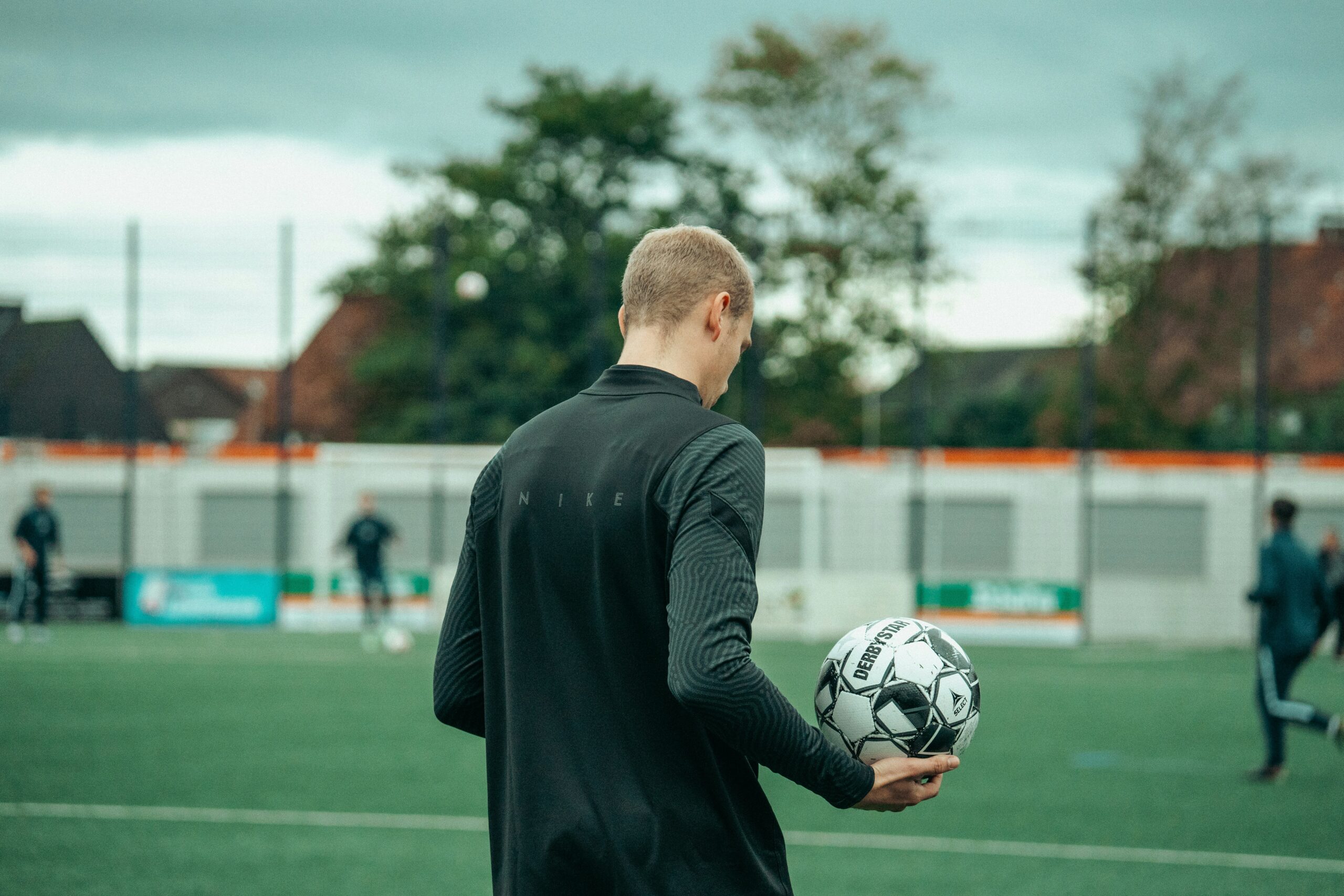
Is Competition for Places Healthy in Football? The Battle to Earn Your Spot
By Pro Touch Football | Published on 2 November 2025
Walk into any elite football club’s training ground, and you can feel it instantly the intensity, focus, and hunger. Every player is not only preparing to beat the next opponent but also fighting for their place in the starting eleven.
But this raises an important question: Is competition for places in football healthy or can it hurt team spirit?
At Pro Touch Football, we see this dynamic every day in our player development programmes. The answer? Yes — competition is healthy, but only when managed correctly.
The Benefits of Healthy Competition in Football
Competition for places drives performance and development. When players know someone talented is right behind them, complacency disappears.
- Improved Training Standards – Players train harder, arrive earlier, and stay longer to refine their skills.
- Higher Performance Levels – Every session counts, increasing focus and accountability.
- Stronger Squad Depth – Healthy competition keeps every player sharp and ready to step up when needed.
In youth football, this mindset builds discipline, mental strength, and resilience traits that help players succeed both on and off the pitch.
The Psychological Edge of Earning Your Place
Having to earn your spot week after week builds mental toughness. Players who fight for their place develop:
- Resilience under pressure
- Confidence from self-earned success
- Emotional control during setbacks
From Manchester United under Sir Alex Ferguson to Pep Guardiola’s Manchester City, great teams thrive on internal competition that raises collective standards.
When Competition Becomes Unhealthy
Competition turns toxic when it becomes cutthroat instead of collaborative. If players start hoping teammates fail, the team’s culture collapses.
Psychologists call this the difference between a “mastery climate” and an “ego climate.”
- In a mastery climate, players compete to improve themselves and lift teammates.
- In an ego climate, players focus only on outperforming others.
Healthy competition fuels growth. Toxic competition divides teams.
The Manager’s Role: Balancing Competition and Unity
Managing this balance is one of football’s toughest coaching challenges. The best managers:
- Set clear expectations for selection
- Provide honest feedback on performance
- Keep every player involved and valued
At youth level, fair rotation helps players stay motivated and trust the process. When players see effort rewarded, it builds belief and unity.
The Modern Game: Why Competition Matters More Than Ever
In modern football, competition for places isn’t just healthy it’s essential. With bigger squads, packed schedules, and rising standards, teams need depth and adaptability.
The best academies and clubs understand that competition and collaboration aren’t opposites the are complementary forces that help players reach their potential.
Final Thoughts: Finding the Sweet Spot
Competition for places in football is healthy when it’s managed fairly, players support one another, and coaches build a culture of improvement. At Pro Touch Football, we teach that iron sharpens iron — pushing your teammates to improve makes you stronger too.
The real win comes when competition fuels excellence without breaking unity. That’s where great players — and great teams — are made.
Interested in joining Pro Touch Football or learning more about our training programmes? Contact us today.